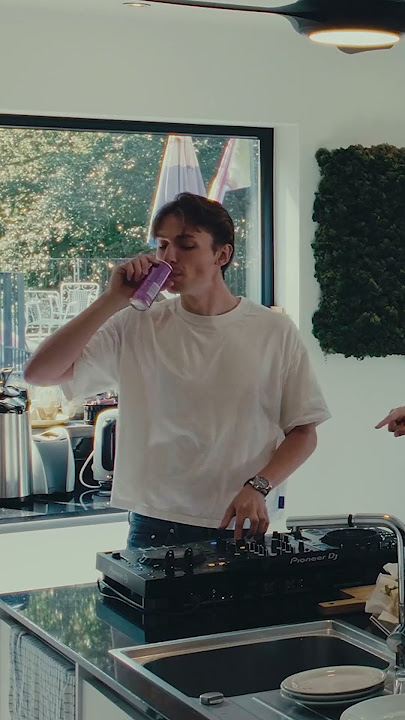
Soft Emotional House Music – Kitchen DJ Set, Drics #housemusic #djset #electronic #electronicmusic
Kitchen DJ Set, Drics

Seattles Premier Silent Disco Headset Rental Company
Soft Emotional House Music – Kitchen DJ Set, Drics #housemusic #djset #electronic #electronicmusic

Dizaro, Amphitryon, LissA – Nomad From “Chapter 3” Album Listen to the album everywhere: https://alterk.lnk.to/chapter3 Playlists: Morning Chill: https://open.spotify.com/playlist/1I3XZ25iBe7CtQK3I3oj86 Chillout Vibes: https://open.spotify.com/playlist/7idcDKMwWQzQgDtxjaOGv6 Follow us on: ● Instagram : http://instagram.com/getthesound ● Spotify : https://open.spotify.com/user/getthesoundofficial Follow Dizaro: ● Instagram: https://www.instagram.com/dizaro.music/ ● Spotify: https://open.spotify.com/intl-fr/artist/2atwG2TdLJ99UpJVxXi3E4 Follow Amphitryon: ● Instagram: https://www.instagram.com/amphitryonmusic ● Spotify: https://open.spotify.com/intl-fr/artist/1RZXk7ou8ZRXyFx8x40vlA Follow LissA: ● Instagram: https://www.instagram.com/lissa_music ● Spotify: https://open.spotify.com/intl-fr/artist/6aAestjbtEbALwyIYPg8Na Our merch: https://www.getthesoundrecords.com/shop Demo Drop: https://www.getthesoundrecords.com/demo-drop ©get the sound

States continue to devote significant attention to consumer protection and pricing transparency issues. During the 2025-2026 legislative cycle, legislatures across the country introduced, debated, enacted, and, in some cases, rejected legislation relating to surcharging, “junk fees,” interchange fees, and related pricing practices. Although the status of individual bills varies and legislative sessions have now concluded in many states, these measures provide a useful illustration of the approaches states are considering and signal that similar proposals are likely to continue emerging in future legislative sessions. As a result, companies should remain diligent in monitoring developments across jurisdictions to ensure their awareness of and compliance with applicable laws and regulations.
With respect to surcharging, states have pursued a variety of approaches, with some considering outright prohibitions and others seeking to impose limits or conditions on surcharge practices. For example, New Jersey considered legislation (NJ AB4807) that would prohibit surcharging altogether. Other states explored permitting surcharges while limiting the amount that may be charged. In Georgia (GA HB700) and Oklahoma (OK SB2132), lawmakers considered proposals that would restrict surcharge amounts by reference to merchants’ processing costs. In addition, some states examined legislation that would permit surcharging only where alternative payment methods not subject to surcharges are available. Examples include Illinois (IL SB1931) and Minnesota (MN SF3875). Finally, several states have focused specifically on debit card transactions. Louisiana recently enacted legislation (LA SB254) that prohibits retail businesses from imposing a surcharge on consumers who pay with a debit card and creates a private right of action for consumers harmed by violations of the Act. The Louisiana bill was signed by the governor and will become effective on August 1, 2026.
States have also remained active in addressing so-called junk fees. These proposals generally extend beyond payment card surcharges and instead target a broader range of advertised, hidden, or mandatory fees associated with consumer transactions. For example, Illinois considered the “Junk Fee Prevention Act” (HB0228), which amends the Illinois Consumer Fraud and Deceptive Business Practices Act. The legislation provides that it is an unlawful practice to advertise, display, or offer a price for goods or services that does not include all mandatory fees or surcharges. Tennessee lawmakers similarly considered legislation titled the “Junk Fee Prevention Act” (TN HB2233), which would require merchants to clearly and conspicuously disclose total prices, including mandatory fees, before a consumer pays for a product or service. New York lawmakers have also considered the “New York Junk Fee Prevention Act” (NY SB363), which would require merchants to clearly and conspicuously disclose the total price of a product or service, with the total price defined to include mandatory fees.
Some states have embedded fee-disclosure requirements within broader unfair or deceptive acts or practices (UDAP) legislation. These proposals generally provide that failing to disclose the total price of a good or service, including mandatory fees, constitutes a deceptive pricing practice. Examples include legislation introduced in West Virginia (WV HB4739) and New York (NY AB1821).
Across several states, policymakers have also evaluated proposals to regulate interchange fees, particularly as they apply to the tax and gratuity portions of electronic payment transactions. One notable example was Colorado SB134. On May 5, 2026, the Colorado House Committee on Finance approved legislation that had previously cleared the Senate Committee on Business, Labor & Technology. The bill would have prohibited payment card networks from charging interchange fees on the portion of a transaction attributable to sales tax. On June 3, 2026, however, Colorado Governor Jared Polis vetoed the measure. In his veto message, Governor Polis cited substantial legal risks, including federal preemption concerns raised by actions of the Office of the Comptroller of the Currency (OCC) and the National Credit Union Administration (NCUA), as well as ongoing litigation involving similar legislation in Illinois. Although Colorado’s proposal ultimately did not become law, it reflects the broader interest among state policymakers in how interchange fees are calculated and allocated across different components of a transaction.
Illinois remains at the center of the interchange fee debate. The Illinois Interchange Fee Prohibition Act (IFPA), enacted in 2024, has faced significant legal challenges and has been effectively blocked for major portions of the payments industry. After the Seventh Circuit vacated the original district court judgment in May 2026 and remanded the case for reconsideration in light of the OCC’s interim final rule and interim preemption order, Chief Judge Virginia Kendall of the Northern District of Illinois issued a new decision on June 1, 2026. Judge Kendall permanently enjoined Illinois from enforcing the IFPA’s interchange fee prohibition against national banks, out-of-state state-chartered banks covered by the Riegle-Neal Act, federal savings associations, and payment card networks. The court concluded that the OCC’s intervening actions materially altered the preemption analysis. The Illinois litigation is likely to remain an important development to watch as other states evaluate similar proposals.
Taken together, these legislative and regulatory developments demonstrate the continued interest of state policymakers in regulating fees, pricing disclosures, and payment card practices. While individual measures may advance, stall, be amended, or face legal challenges, the overall trend remains clear: states are actively exploring a range of approaches that span outright prohibitions, disclosure requirements, and structural limits on how fees may be assessed or passed through to consumers. Businesses should therefore expect continued activity in these areas, increased scrutiny of pricing practices, and the potential for divergent compliance obligations across jurisdictions. Ongoing monitoring and proactive assessment of operational impacts will remain critical as new legislative sessions begin and existing laws continue to evolve through implementation and litigation. Organizations seeking guidance on these developments or their potential impact are encouraged to contact the authors.
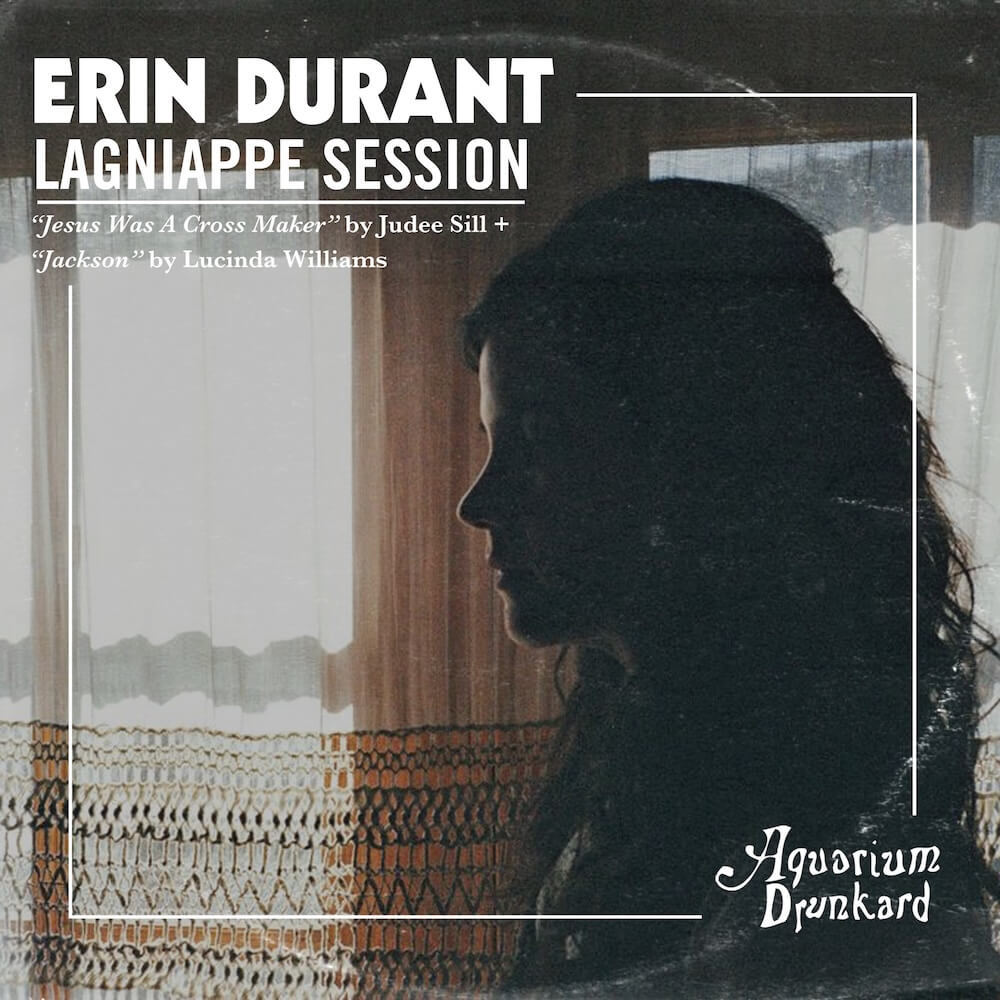
For her Lagniappe Session, Erin Durant turns to two touchstones: Judee Sill’s “Jesus Was a Cross Maker” and Lucinda Williams’ “Jackson.” Recorded between Topanga and Brooklyn with longtime collaborators Kyp Malone and Gabe Galvin, these performances move between close study and personal memory—stepping into Sill’s world while reconnecting with the roads, literature, and landscapes of Durant’s Louisiana upbringing through Williams’ lens.
The post The Lagniappe Sessions :: Erin Durant first appeared on Aquarium Drunkard.
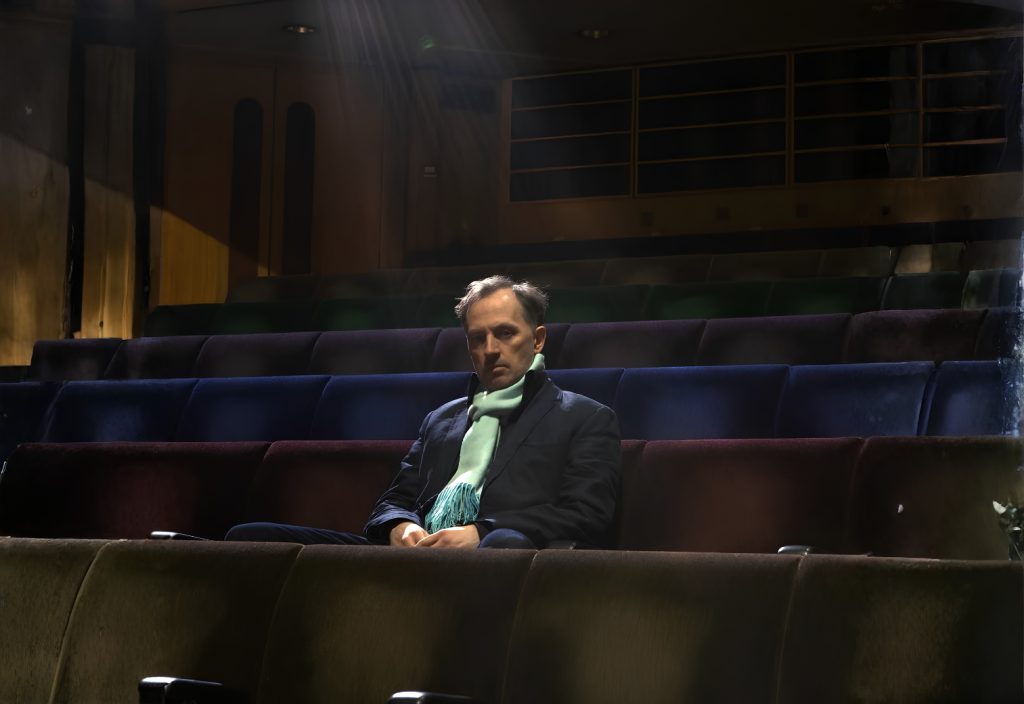
Photo credit: Squarepusher / Instagram Three decades into a career built on dismantling expectations, Squarepusher has once again refused to stand still. Kammerkonzert sees Tom Jenkinson stepping away from the hyperactive breakbeats, bass acrobatics, and machine-gun electronics that have long defined his work, instead diving into chamber arrangements, jazz flourishes, and cinematic composition. The result is one of the fascinating records in his catalogue. Not for abandoning the Squarepusher identity, but because it reshapes it into something entirely different. The […]
Independent artists who want listeners to choose their music over the constant stream of new releases need to give people a clear reason to engage. This means delivering real value through the music itself, creating a recognizable identity that stands out, and building direct relationships with fans. Independent musicians operate in a market flooded with new releases every day, yet certain artists have built substantial careers by treating their work as more than isolated tracks. Chance the Rapper released mixtapes […]
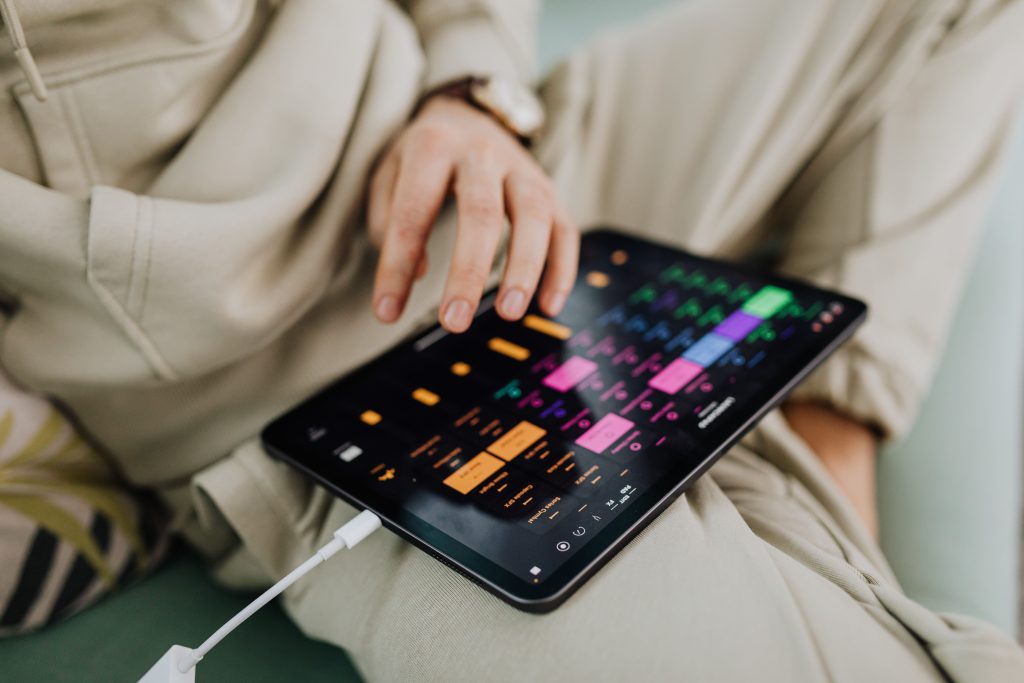
Photo credits: www.kaboompics.com AI music company Suno is facing questioning after details emerged surrounding its newly launched Spark incubator program, an initiative designed to support independent musicians with grants, mentorship opportunities, and marketing resources. While the program presents itself as a pathway for unsigned artists to access funding and industry support, critics have raised concerns over terms requiring participants to avoid publicly criticising the company. Launched last week, Suno’s Spark program provides independent artists with grants, marketing aid, and creative […]

Subscribe to the Armada Music YouTube channel: https://armadamusic.lnk.to/YTSubscribeYA Click the to stay updated with our new uploads! After teaching us in ’80s-influenced electronic music production, trance icon Ferry Corsten is back, and this time, he’s opening the vault to the legendary Gouryella project for a full-on classic trance masterclass. Get the full masterclass via: https://armada-university.thinkific.com/products/courses/Ferrycorsten-gouryella-trance-masterclass Connect with Armada Music ▶https://www.instagram.com/armadamusic ▶https://www.facebook.com/armadamusic ▶https://www.twitter.com/armada ▶https://www.soundcloud.com/armadamusic ▶https://www.tiktok.com/@armadamusic ▶https://www.armadamusic.com #ArmadaMusic #ferrycorsten #armadauniversity
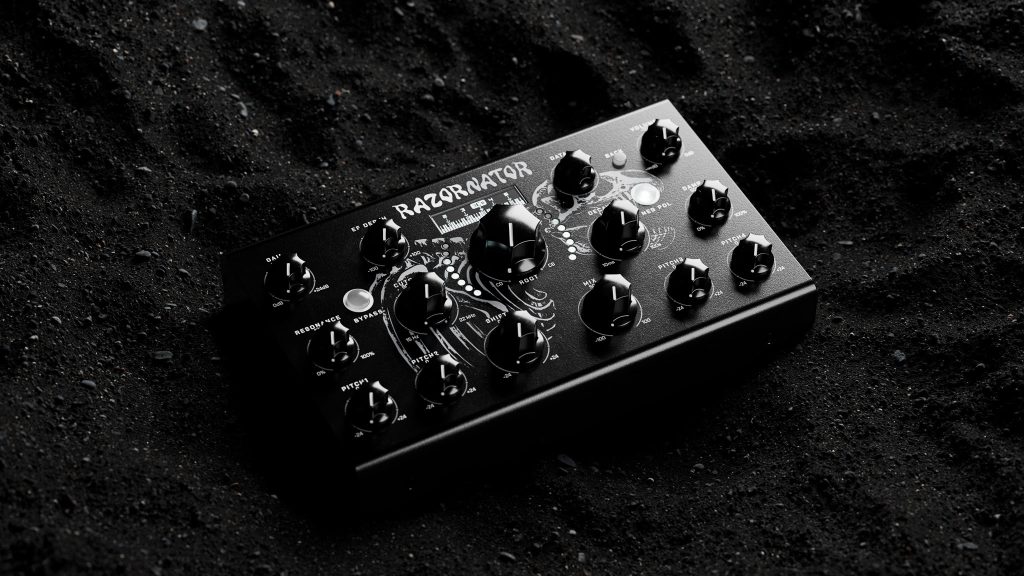
Erica Synths has opened preorders for Razornator, a compact desktop stereo FX unit built around five chromatically tuned resonating delay lines. The short version is that it takes incoming audio and reshapes the harmonic content through tuned resonance, with enough control to push it toward instrument bodies, rooms, structures, and other resonant objects. Razornator is […]
Read More… from Erica Synths Razornator Turns Tuned Resonant Delay Into a Desktop Stereo FX Unit
The post Erica Synths Razornator Turns Tuned Resonant Delay Into a Desktop Stereo FX Unit appeared first on Magnetic Magazine.
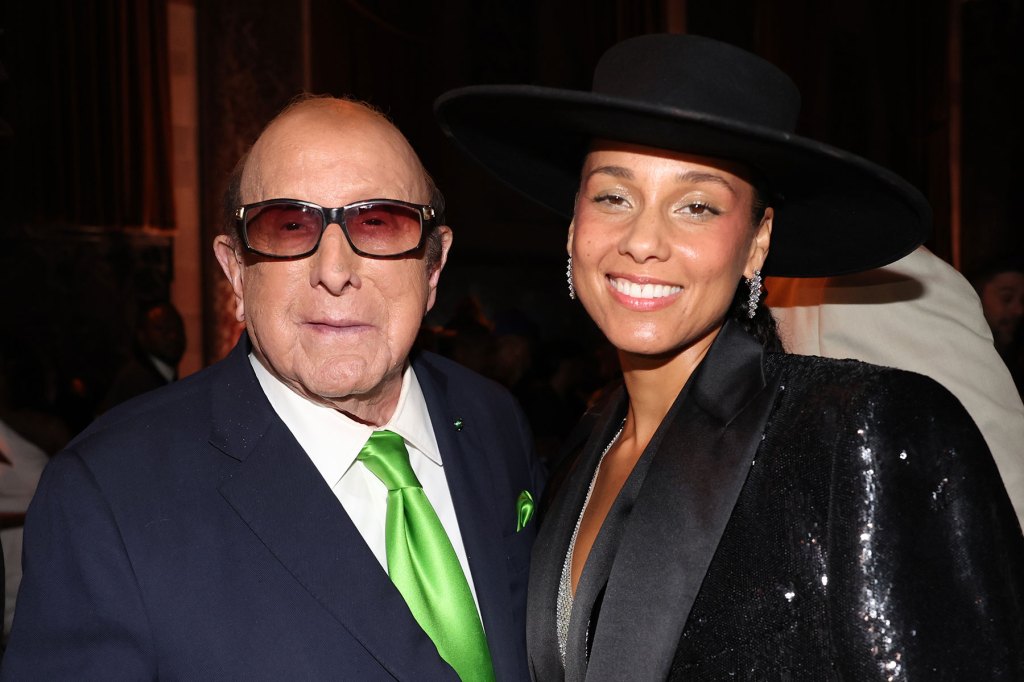
The singer joined Bruce Springsteen, Barry Manilow and Dionne Warwick in sharing remarks at the service.