Every time an ID hops from platform to platform, it gets less accurate – and in programmatic, there are a heck of a lot of hops.
The post Magnite Adds A Data-Quality Layer To Its CTV Inventory appeared first on AdExchanger.

Seattles Premier Silent Disco Headset Rental Company

Every time an ID hops from platform to platform, it gets less accurate – and in programmatic, there are a heck of a lot of hops.
The post Magnite Adds A Data-Quality Layer To Its CTV Inventory appeared first on AdExchanger.
NoCopyrightSounds (NCS): Copyright free music for creators. Download & use this track for free in your next video → http://ncs.io/letyounever Stream here → http://ncs.lnk.to/letyounever Download other NCS music for free to use in your next video → https://ncs.io Follow NCS on Spotify → http://ncs.lnk.to/Spotify – – – – – – – – – – – – – – – – – – – – – – – – – – – – – – – – – – – – – – [NCS] https://ncs.io https://ncs.lnk.to/Spotify https://instagram.com/nocopyrightsounds https://tiktok.com/@nocopyrightsounds [gabriawll] • https://www.instagram.com/gabriawll/ • https://www.tiktok.com/@gabriawll?lang=en – – – – – – – – – – – – – – – – – – – – – – – – – – – – – – – – – – – – – – Message to all creators All NCS music is copyright free and safe for you to use on platforms like YouTube, TikTok and Twitch. You may not use any track for the purpose of creating a listening experience (i.e., a music video) where the music is the primary focus of the video. Please refer to our usage policy for our terms of use and how to use NCS music in your videos → http://ncs.io/UsagePolicy. – – – – – – – – – – – – – – – – – – – – – – – – – – – – – – – – – – – – – – How to credit this track & artist(s) When you are using this track, please add this in your description: Track: gabriawll – Let You Never Music provided by NoCopyrightSounds. Watch more NCS on YouTube: https://NCS.lnk.to/YouTubeAT Free Download / Stream: http://ncs.io/letyounever – – – – – – – – – – – – – – – – – – – – – – – – – – – – – – – – – – – – – – Rec-ID: rec0NajwGsOQCdWl6, rec4hZ0nsAd43Ho0o, receNI0gw1xkAVWm0, recm7Gv6SPnxOwxyO #nocopyrightsounds #copyrightfree #royaltyfree
Edoardo Petracci unveils his debut solo album, By This Window, today, June 5. The Italian composer and performer,…
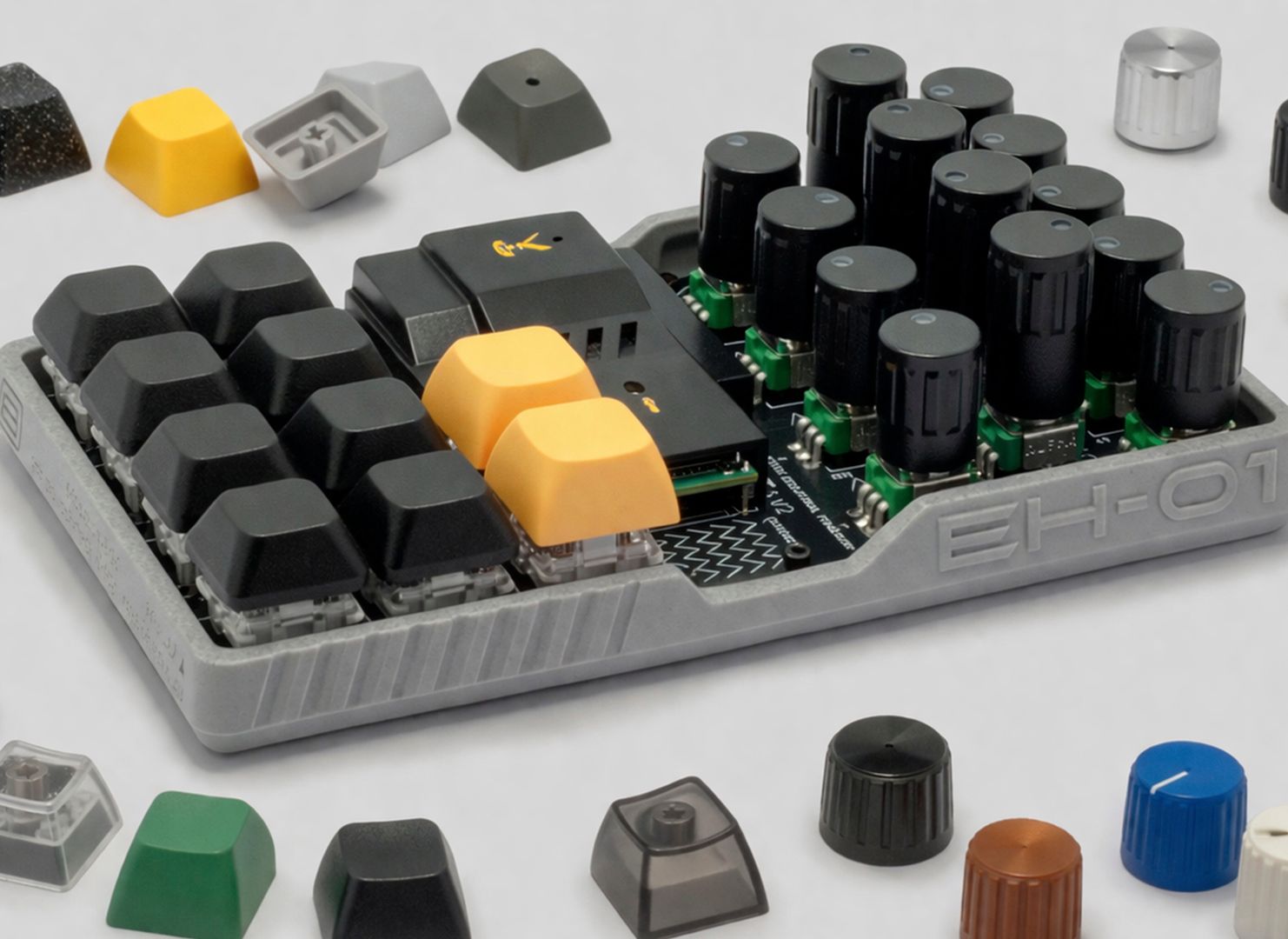
Edgehog, a new Australian hardware developer, has unveiled the EH-01 — a compact experimental sampler-synth currently taking pre-launch sign-ups on Kickstarter. Priced between US$179 and US$249, the instrument takes a no-screen, no-menu approach to sound design, with every function accessible directly through physical controls. The EH-01 is described by Edgehog as a tool for “strange …
Edgehog EH-01 is a new compact experimental sampler-synth with cyberpunk aesthetic
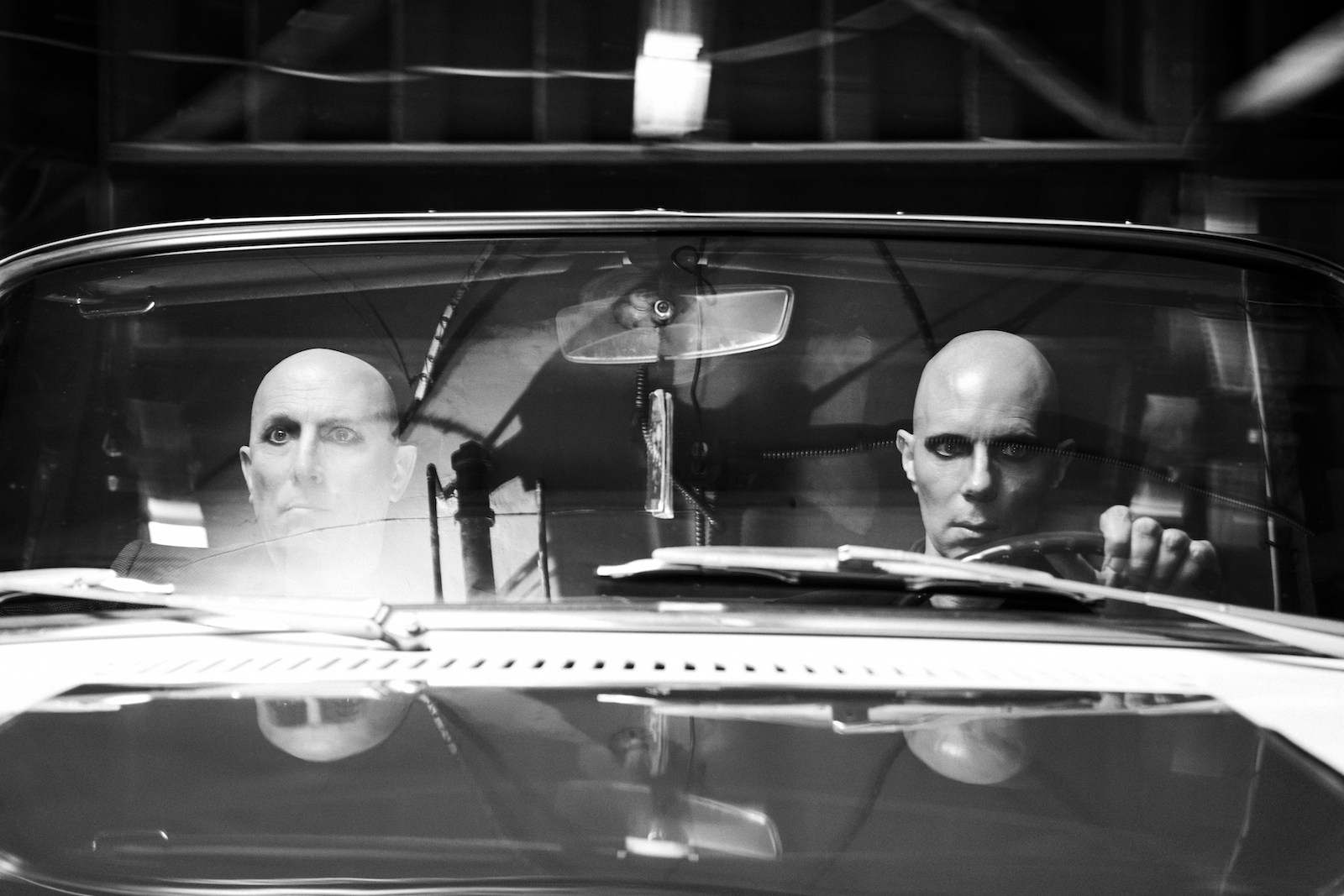
A Perfect Circle’s Billy Howerdel discusses their latest song, ‘Starless,’ and reflects on the band’s career.
Returning for its second year back at Rawhide Events Center, Goldrush is looking to go bigger and better in 2026 with their Midnight Riders theme. 2025 marked a triumphant return to the beloved venue with rave reviews and a stellar lineup, now, 2026 may have just topped that. Gracing Goldrush this year are headliners Deadmau5, […]
The post Goldrush Unveils 2026 Headliners DeadMau5, Martin Garrix & More appeared first on thissongslaps.com – Electronic Dance Music & Hip-Hop Media.
What Is RSL Media and Why Does the Human Consent Standard Matter?
On May 12, 2026, RSL Media launched as a public benefit nonprofit co-founded by CEO Nikki Hexum, Cate Blanchett, Doug Leeds, and Eckart Walther. Its mission is to make human consent machine-readable and discoverable to AI systems through the Human Consent Standard, which allows any individual to declare whether AI systems may use their creative works, identity, likeness, voice, characters, or marks. Endorsements from several famous actors and organizations, such as a major talent agency and the Music Artists Coalition, highlight this as one of the entertainment industry’s potential technological answers to unauthorized AI exploitation.
RSL Media builds on the Really Simple Licensing (RSL) standard, an open protocol launched in late 2025, enabling machine-readable AI usage terms for website content, now claiming support from over 1,500 publishers, brands, tech companies, and media organizations. While the original RSL addressed content at a specific URL, the Human Consent Standard applies to “the underlying work, identity, character, or mark itself, wherever it appears.”
How Does the Standard Work?
The standard uses a traffic-light model. Individuals set permissions as “allowed,” “allowed with terms,” or “prohibited” across four categories: creative works (songs, films, books, art), identity (name, image, likeness, voice, movement), characters (fictional characters and distinctive traits), and marks (logos, trademarks, trade dress). RSL Media states that it will launch a free public registry in June 2026 to translate these declarations into machine-readable signals that AI platforms can query before ingesting or generating protected material.
Is It Enforceable?
The voluntary standard sits at the intersection of copyright, right of publicity, trademark, and emerging federal legislation, and does not carry the force of law. There is currently no federal law on right of publicity. State right-of-publicity laws vary dramatically across jurisdictions, creating a fragmented compliance landscape. The standard functions as a practical evidentiary tool, establishing documented proof of an individual’s expressed consent preferences that could support claims under existing frameworks.
As the law and regulation of AI in this area are still nascent and continue to develop, it remains to be seen whether there will be any legal consequences for AI services that ignore registry settings. Several lawsuits have been initiated invoking copyright, trademark and publicity rights, but the law will likely not be settled until courts provide more thorough interpretation of AI activities within the framework of existing law, and the federal and state legislatures address AI through new laws. Without statutory backing, bad-faith actors can decline to query (or affirmatively circumvent) the registry, and the standard provides no independent cause of action.
Where Does Federal Legislation Stand?
The NO FAKES Act, reintroduced in April 2025 by a bipartisan coalition and revised in May 2026, would establish a federal intellectual property right over an individual’s voice and visual likeness, prohibiting unauthorized digital replicas (or deepfakes). The legislation employs a DMCA-style notice-and-takedown regime with safe harbor provisions for compliant platforms.
If enacted, the NO FAKES Act could potentially give legal teeth to the RSL Media registry. For example, an AI company’s failure to query or honor declared permissions may constitute evidence of knowing disregard for federally protected rights. Conversely, the registry could serve as the practical infrastructure through which platforms satisfy due diligence obligations under such legislation.
As of June 2026, the NO FAKES Act has not yet been enacted. Practitioners should track its progress closely, as passage could fundamentally alter the standard’s enforceability calculus.
What Does This Mean for Entertainers, Creators, Studios, and Platforms?
For performers and entertainers, the standard could provide a scalable mechanism to assert control over digital replicas without individual negotiation with each AI developer. A prominent talent agency has endorsed the standard as providing “clear, enforceable control,” ensuring artists “receive the credit and compensation they deserve in the AI economy.”
For individual creators and influencers who lack established representation, it offers a free, accessible tool, where previously only those who could “afford lawyers or have platforms big enough to be heard” could assert these rights.
For studios, production companies, and platforms, the registry provides a centralized clearance mechanism—a single query point for AI usage permissions that reduces legal risk and streamlines licensing workflows.
How Might the Standard Impact Talent Contracts?
Talent representatives should consider contractual provisions permitting and requiring registration and maintenance of accurate RSL Media permissions on behalf of their clients to ensure that artists and creators are protected to the fullest extent possible. The “allowed with terms” tier opens a structured licensing channel, and individuals can signal their willingness to license their likeness or works to AI systems in exchange for compensation, potentially creating a new revenue stream administrable at scale.
Adoption will likely be driven by reputational risk: responsible AI companies will query the registry voluntarily, and the endorsement of a prominent talent agency and high-profile talent suggests compliance could become a de facto industry expectation.
What Are the Challenges and Risks?
Conclusion: Three Questions That Will Shape the Standard’s Impact
The standard’s long-term significance depends on at least three variables: (1) whether the NO FAKES Act (and possibly other legislation) is enacted to provide enforcement mechanisms; (2) whether major AI developers voluntarily integrate registry queries into their pipelines; and (3) whether the standard can resist contractual dynamics that might weaken it as a protective tool due to unequal bargaining power enabling more powerfully positioned business partners to obtain broad AI permissions from those with limited bargaining power.
Practitioners and managers representing entertainment clients should monitor the June 2026 registry launch closely and begin evaluating how existing talent agreements interact with this new consent infrastructure.
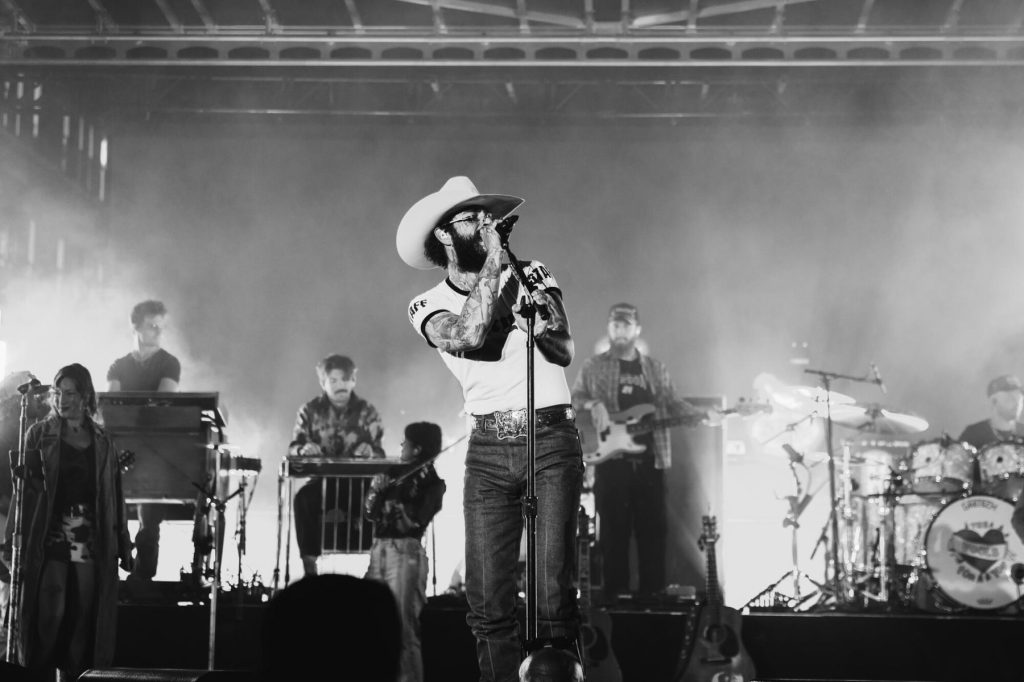
The NBC broadcast in New York celebrating the nation’s 250th Independence Day will also feature sets from Bebe Rexha and Blake Shelton.
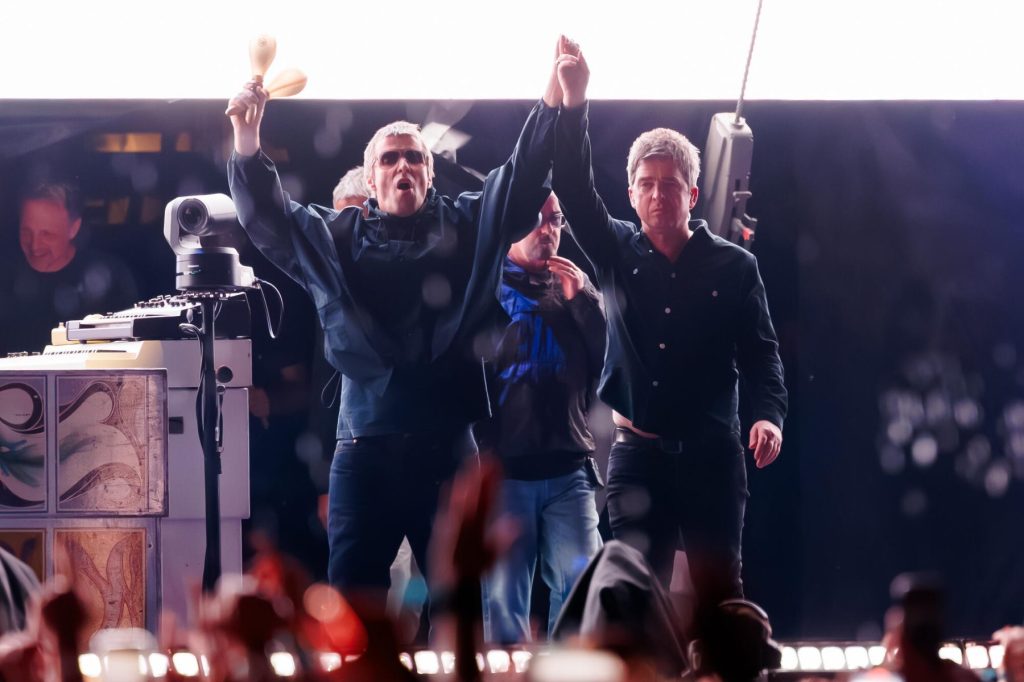
England kicked off their 2026 campaign with a thrilling 4-2 win over Croatia
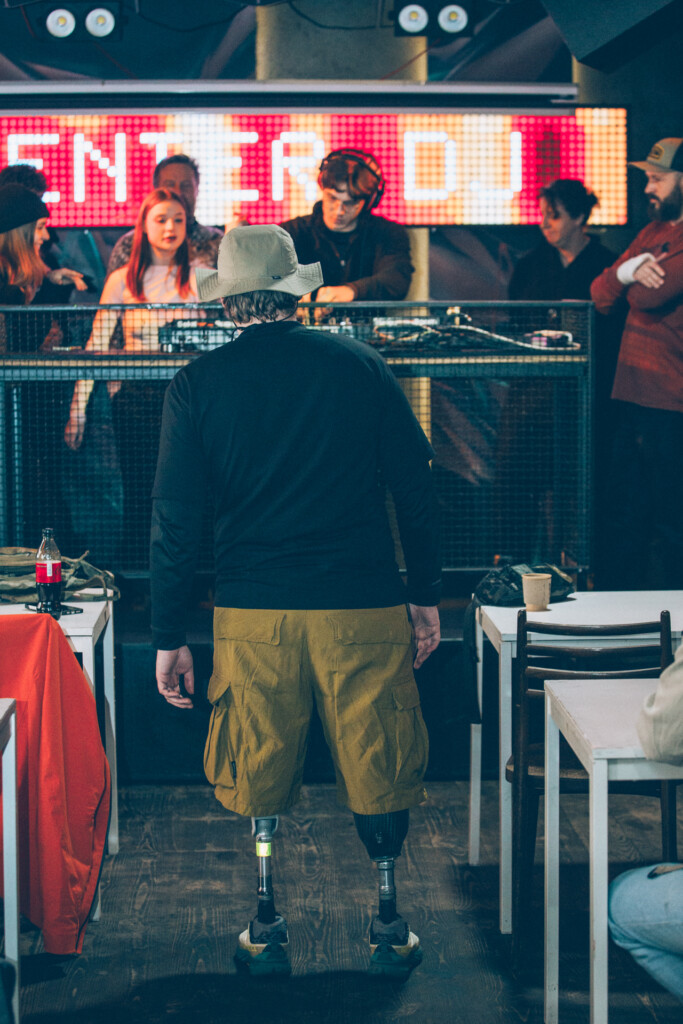
A Ukrainian military veteran who learned to DJ as part of his PTSD rehabilitation and an 18-year-old Ukrainian refugee who fled Kyiv as a teenager will perform a back-to-back DJ set at doof in the park on 4 July 2026, one of Scotland’s biggest electronic music festivals. The pair were brought together by Scottish dance […]
The post Ukrainian War Veteran & Refugee To Perform Together At Hannah Laing’s Doof In The Park appeared first on Electric Mode.