During her career, Hackett worked with artists including Chris LeDoux and Dale Ann Bradley.
Veteran Nashville Music Journalist and Author Vernell Hackett Dies at 77


Seattles Premier Silent Disco Headset Rental Company
During her career, Hackett worked with artists including Chris LeDoux and Dale Ann Bradley.
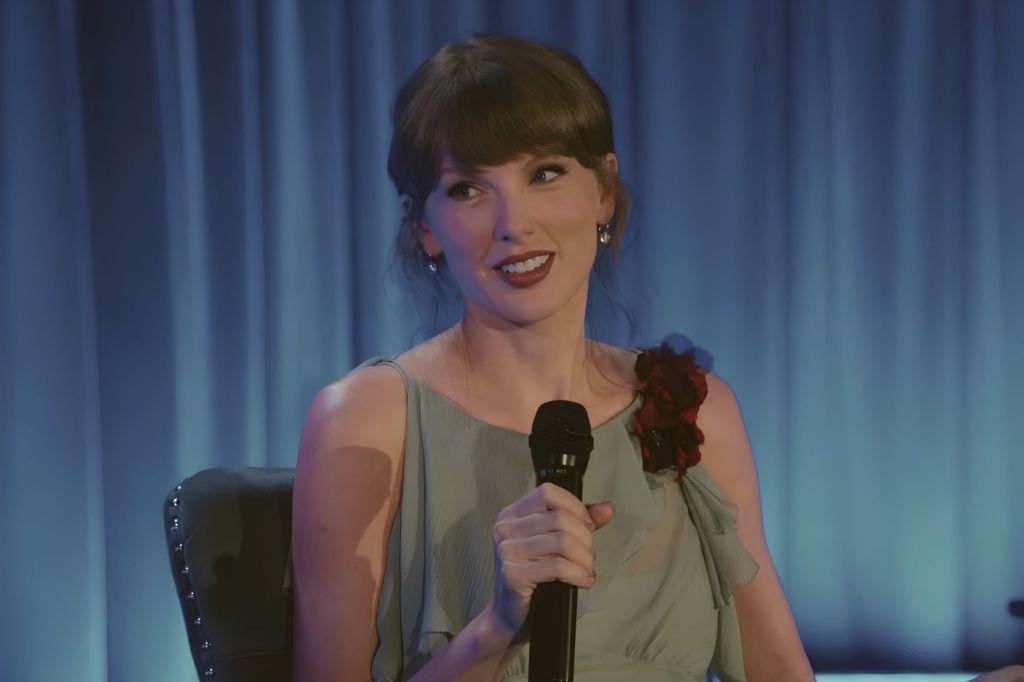
The performance of “I Knew It, I Knew You,” “August” & “All Too Well” came at the end of a Grammy Museum Q&A with Harvey Mason jr.
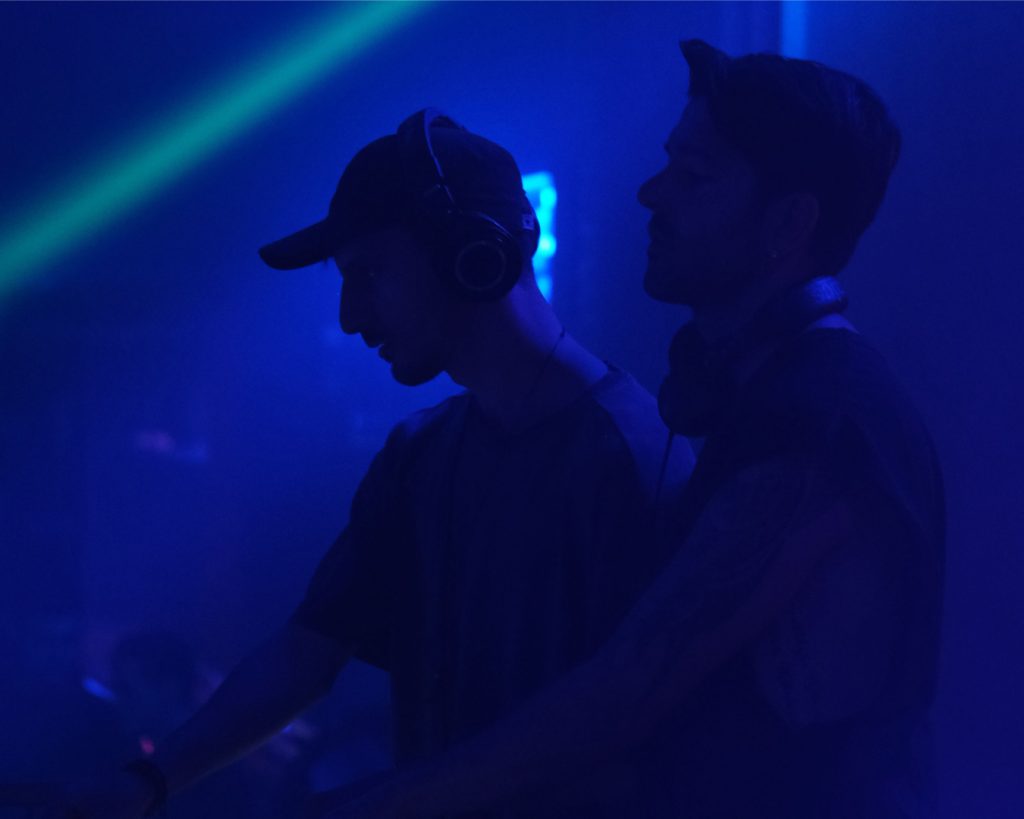
There is no single formula for building a career in music. Ask ten established artists how they made it, and you will probably get ten completely different stories. Some found their audience online. Others spent years playing small rooms. Some built careers around a distinctive sound, while others broke every rule they were supposed to follow. But after speaking to artists from across the electronic music world, certain lessons keep appearing. Develop your own identity. Keep learning. Don’t chase every […]

Making environmental marketing claims is already difficult. Between California’s evolving requirements, the Federal Trade Commission’s (FTC) Green Guides, and a growing number of state laws, even well-intentioned companies can struggle to determine what they can say on product packaging.
Congress is now trying to simplify things. On August 7, Rep. Lou Correa (D-Calif.) and Sen. Jeff Merkley (D-Ore.) introduced the Truth in Labeling Act of 2026, which would establish national standards for claims such as “recyclable,” “compostable,” “reusable,” and “refillable.” The Environmental Protection Agency (EPA) and FTC would develop the technical standards and standardized on-package labels.
Although the stated goal is greater consistency, it is unclear whether the bill achieves that goal.
Federal Environmental Labeling Meets State Laws
The bill does not broadly preempt state environmental labeling laws. Instead, it largely preserves them, meaning the federal requirements would operate as a baseline rather than a single nationwide standard.
That means complying with the federal law would not necessarily protect companies from California laws such as SB 343 or AB 1201. Companies selling nationally could still find themselves confronted by multiple, overlapping regulatory regimes.
The bill also would diminish the role of the FTC’s Green Guides. Congress expressly describes the current guides as outdated and would replace much of their flexible guidance with statutory requirements. The FTC would remain the primary enforcement agency, but many of today’s Green Guides analyses would give way to more prescriptive rules.
This will likely present conflicts with state laws that explicitly instruct courts to give deference to the FTC’s guides and interpretations when determining violations under state consumer protection and advertising laws.
One notable change involves Resin Identification Codes. Plastic products could continue using Resin Identification Codes, but the familiar chasing-arrows symbol could only be used if the material qualifies as recyclable. That distinction is intended to reduce consumer confusion, but it may also require new packaging, molds, or state-specific artwork for many companies.
Defining Recyclable Packaging Raises Difficult Questions
Much of the bill’s practical impact depends on future EPA and FTC rulemaking. For example:
These questions will likely require significant clarification.
The bill also may create tension with multiple state Extended Producer Responsibility (EPR) programs. A package could receive favorable treatment under an EPR program because it is considered recyclable, while still failing the federal standard needed to advertise that recyclability to consumers. Companies could therefore face the awkward choice between obtaining EPR benefits and making consumer-facing environmental claims.
The proposal requires evaluating individual package components, including caps, sleeves, liners, coatings, and adhesives. Even relatively minor design changes could affect whether a recyclability claim remains accurate. The bill also excludes waste-to-energy processes from the definition of “recycling,” which has significant implications for certain plastics and emerging recycling technologies.
Greenwashing Rules Could Reduce Consumer Guidance
The bill is designed to reduce greenwashing and create more consistent environmental marketing standards. Ironically, however, it may also make it harder for companies to communicate accurate disposal information. Companies would need to substantiate claims using collection, processing, commercial value, and end-market data that they do not control, and that can change over time. If businesses decide the legal risk is too great, consumers could end up receiving less guidance about how to dispose of products responsibly.
One final point bears watching. Much of the proposed legislation appears to borrow from the same policy approach reflected in California’s SB 343. But SB 343 itself is currently on uncertain footing. In California League of Food Producers v. Bonta, a federal district court recently issued a preliminary injunction blocking enforcement of the law after concluding that the challengers were likely to succeed on their claims that key provisions are unconstitutionally vague and that the restrictions likely violate the First Amendment. The case remains pending, and California may ultimately prevail.
California SB 343 Offers a Warning
That raises an obvious question. If Congress ultimately enacts a federal version of many of these same concepts, will it survive similar constitutional scrutiny? The proposed Act differs from SB 343 in important respects, so any challenge would need to be evaluated on its own terms. But the ongoing SB 343 litigation serves as a reminder that aggressive regulation of environmental marketing claims is far from settled. Even if this bill becomes law, it may not be the final word.
For more insights into advertising law, bookmark the All About Advertising Law blog and subscribe to our monthly newsletter. To learn more about Venable’s Advertising Law services, click here. And listen to the Ad Law Tool Kit Show—a podcast from Venable.

Discover ‘Scorz – Ritus’ on your favorite streaming platform ▶ https://Armada.lnk.to/RitusYA Subscribe to the Armada Music YouTube channel: https://armadamusic.lnk.to/YTSubscribeYA Click the to stay updated with our new uploads! Connect with Armada Music ▶https://www.instagram.com/armadamusic ▶https://www.facebook.com/armadamusic ▶https://www.twitter.com/armada ▶https://www.soundcloud.com/armadamusic ▶https://www.tiktok.com/@armadamusic ▶https://www.armadamusic.com #ArmadaMusic #scorz #ritus
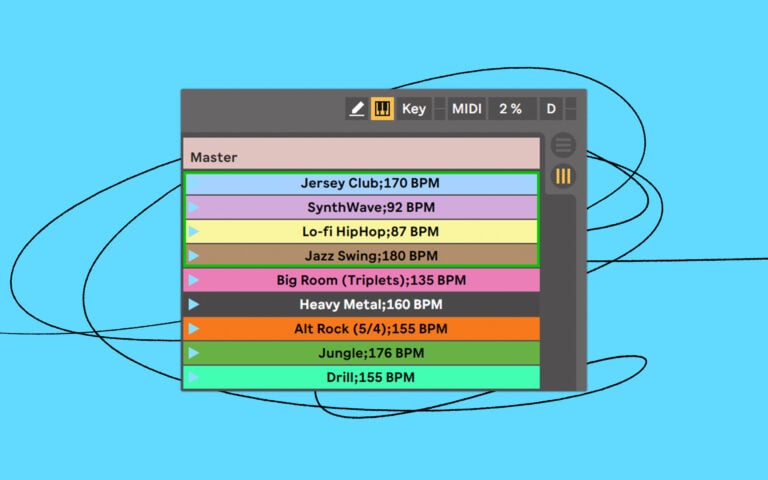
Learn how to make drum patterns for different genres spanning lo-fi hip hop to metal, and download our free MIDI files to dive even deeper.
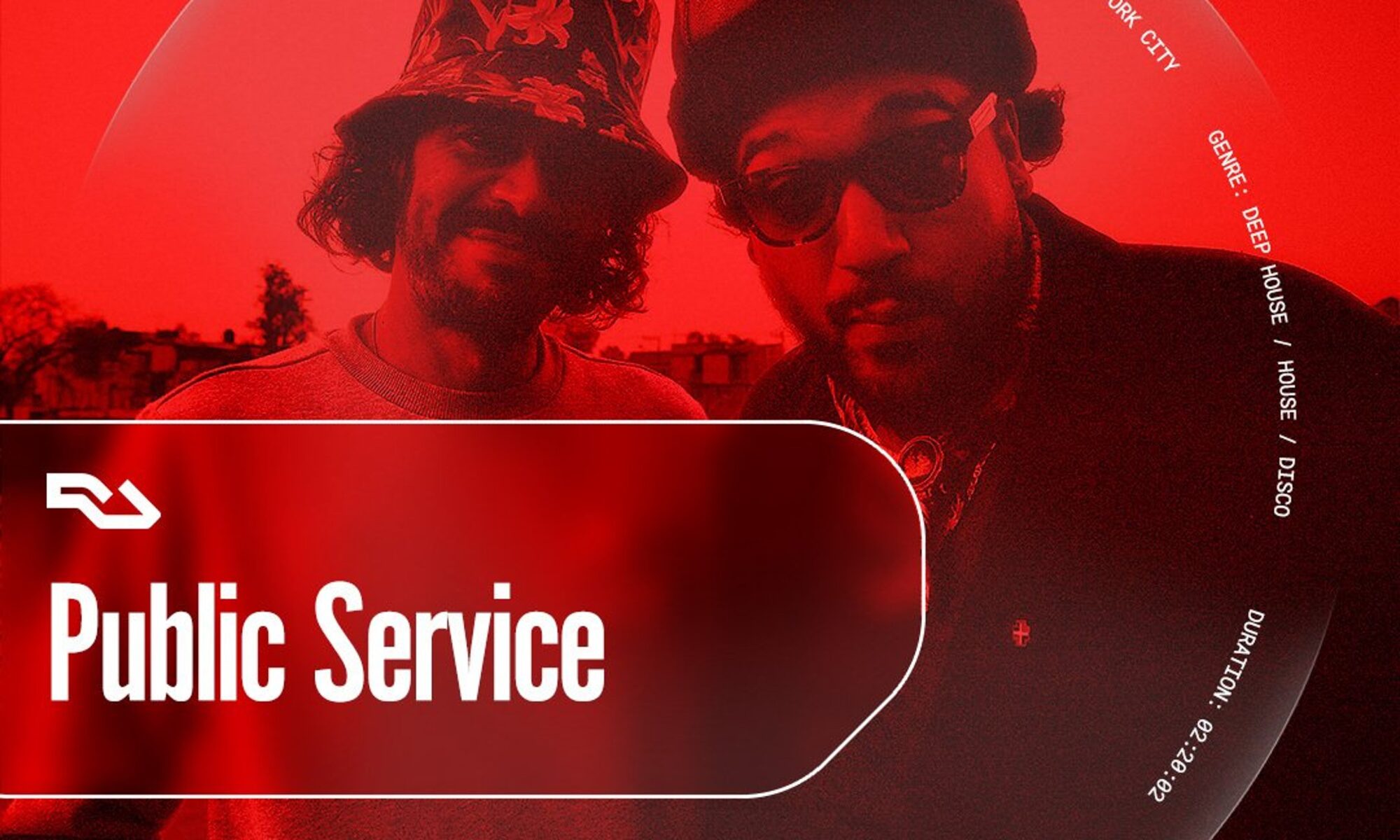
New York summertime in all of its glory. New York City has had an epic few months. From clinching a milestone NBA Championship title, to Mayor Mamdani rolling out affordable housing and fixing potholes, to World Cup fever, the summer of 2026 has (for the most part) been a rush of pure elation for residents. Soundtracking it all is Public Service. Even if there’s no special occasion, the atmosphere is always electric. Multiple dance cyphers form; musicians bring instruments to jam; free pizza is distributed; informal marketplaces emerge in the back. Public Service is a living tapestry of block party culture, serving as a reminder that church-like communal joy doesn’t need four walls or a roof. Toribio and Perez man the decks each time, dishing out heaters across Afro house, dembow, cumbia, electro, hip-hop and techno. It might be the city’s only DIY party where you can hear Jackmaster, Kendrick Lamar and Willie Colón in a single hour or see kids, aunties and grandfathers in the crowd. RA.1053 is a recording of this year’s season opener in May—its vibrant blends and carnival-like mood will likely have more than a few listeners planning trips to experience the magic. Taking place in Brooklyn parks during the summer and clubs during cold weather, the party has also held editions in Detroit, Miami and Montréal. Sound is powered by hot pink speaker stacks, decorated with flower garlands, courtesy of Karlala Soundsystem whose founder Karl Scholz regularly provides rentals for free or at a sliding scale to cultural organisers. A true labour of love, the gathering relies on donations to fund operating costs and city permits. Based on the ever-expanding number of regulars, fuelled by word-of-mouth recommendations, it’s only a matter of time before Public Service becomes a global phenomenon. Find the tracklist and Q&A at ra.co/podcast/1072 @publicservicenyc @mickeyperez @toribiomusic

50 recently told Apple Music that he doesn’t release much music anymore because at his age, he doesn’t want to be “in the way.”
A recent piece brought to light several claims of “reckless” drug use, psychological abuse & more.

Back in June, Futurebirds released their double album, Far Out Country. At that time the band described the album as “split into two distinct worlds of Far Out Country I & II—a restless, sunlit day and a deeper, more interior night that blends psychedelic country-rock, indie and something that feels less like a genre than a place.”
Brad Cook produced the recording, which Dualtone issued on double vinyl. At that time Far Out Country I became available via streaming and on September 4, the second half will follow. Ahead of this the band has released an official visualizer video for “Marco Polo I.” This song appears on Far Out Country I, while “Marco Polo II” is on Far Out Country II. The band’s Daniel “Womz” Womack explains, “When I was writing ‘Marco Polo,’ I wanted it to be nostalgic, but also present and moving forward, looking ahead with wisdom gained from our experiences, rather than looking back at the old. This visualizer captures the feeling and familiarity of the past with a futuristic look at what comes next down the road and is the perfect bridge between Far Out Country I and II.”
In addition, the band has confirmed a series of tour dates that will extend through the end of the year. Futurebirds will travel through their native South in November and December, eventually welcoming 2027 from the stage in Charleston, SC at the Charleston Music Hall. The group’s complete tour itinerary appears below the visualizer.
The post Futurebirds Share Visualizer Video, Announce Year-End Tour appeared first on Relix.