Brunch Electronik Festival Announces 2026 Line-Up Featuring Over 100 Artists

From 7–9 August, Brunch Electronik Festival returns to Parc del Fòrum for its fourth edition, bringing Barcelona’s “worst kept secret” back to the city’s waterfront for its biggest and most ambitious festival yet. After welcoming more than 70,000 attendees across its last two editions — and securing its home at Parc del Fòrum through to […]

The post Brunch Electronik Festival Announces 2026 Line-Up Featuring Over 100 Artists appeared first on Electric Mode.

Future Disco Radio – 351 – Sancho Panza Guest Mix

Follow Future Disco New Releases: https://open.spotify.com/playlist/2PxXdIzzm2Eg0VfaXhgfl3?si=IjO2-TpqSAG7FN7bTeD2gw Follow Future Disco on Instagram: https://www.instagram.com/future_disco/ Follow Future Disco on TikTok: https://www.tiktok.com/@future_disco Follow Future Disco on Soundcloud: https://soundcloud.com/future-disco   Welcome to Future Disco Radio – your ultimate soundtrack, anytime, anywhere!   This week, we’re thrilled to welcome the brilliant Sancho Panza to the show!    Catch us live every Friday at 3 PM GMT / 10 AM EST for the freshest house and disco, handpicked by the world’s top DJs and producers. Whether you’re kicking off your weekend or need a midday energy boost, we’ve got the perfect vibe for you. Expect next-level guests, cutting-edge sounds, and nonstop musical bliss.   Future Disco Radio, where the future of music meets the timeless rhythms of house and disco.   For more info – futuredisco.net/   Future Disco, Nu Disco, Disco House, Deep House, Future Disco Radio, Nu Disco House, Disco Funk, Future Disco Radio Show, Underground Disco, Disco Influenced House, Nu Disco DJ, Deep Disco, Disco Beats, House Music, Nu Disco Label, Disco House Music, Future Sounds, Underground House, Disco Vibes, Deep Nu Disco, Disco Producer, Nu Disco Anthems, Disco Underground, Deep House Label, Future House, Disco Classics, Nu Disco Mix, Radio Show, Disco DJ, House Label

“A line-up should feel like a journey, not just a collection of names” Oscar Rosmano on building his Temple

Lisbon has become one of Europe’s most compelling electronic music cities, but beyond the headline festivals and growing international attention, its identity has been shaped by people creating spaces with a clear sense of purpose. Oscar Rosmano is one of them. As both a DJ and the founder of Temple, he has spent years building […]

Read More… from “A line-up should feel like a journey, not just a collection of names” Oscar Rosmano on building his Temple

The post “A line-up should feel like a journey, not just a collection of names” Oscar Rosmano on building his Temple appeared first on Magnetic Magazine.

European Telcos, Retailers, and Ad Tech Companies Form European Media Marketplace

This morning a coalition of major European telcos, retailers, data businesses and ad tech companies announced the formation of the European Media Marketplace, a new initiative designed to make it easier to buy ads across a number of major media owners using an array of advertiser-friendly datasets. The founding members of the European Media Marketplace Read More

Kyle Watson: “A Track Is Never Finished – You Just Have To Know When To Stop”

Attack Mag - Interviews - Editorial - Kyle Watson

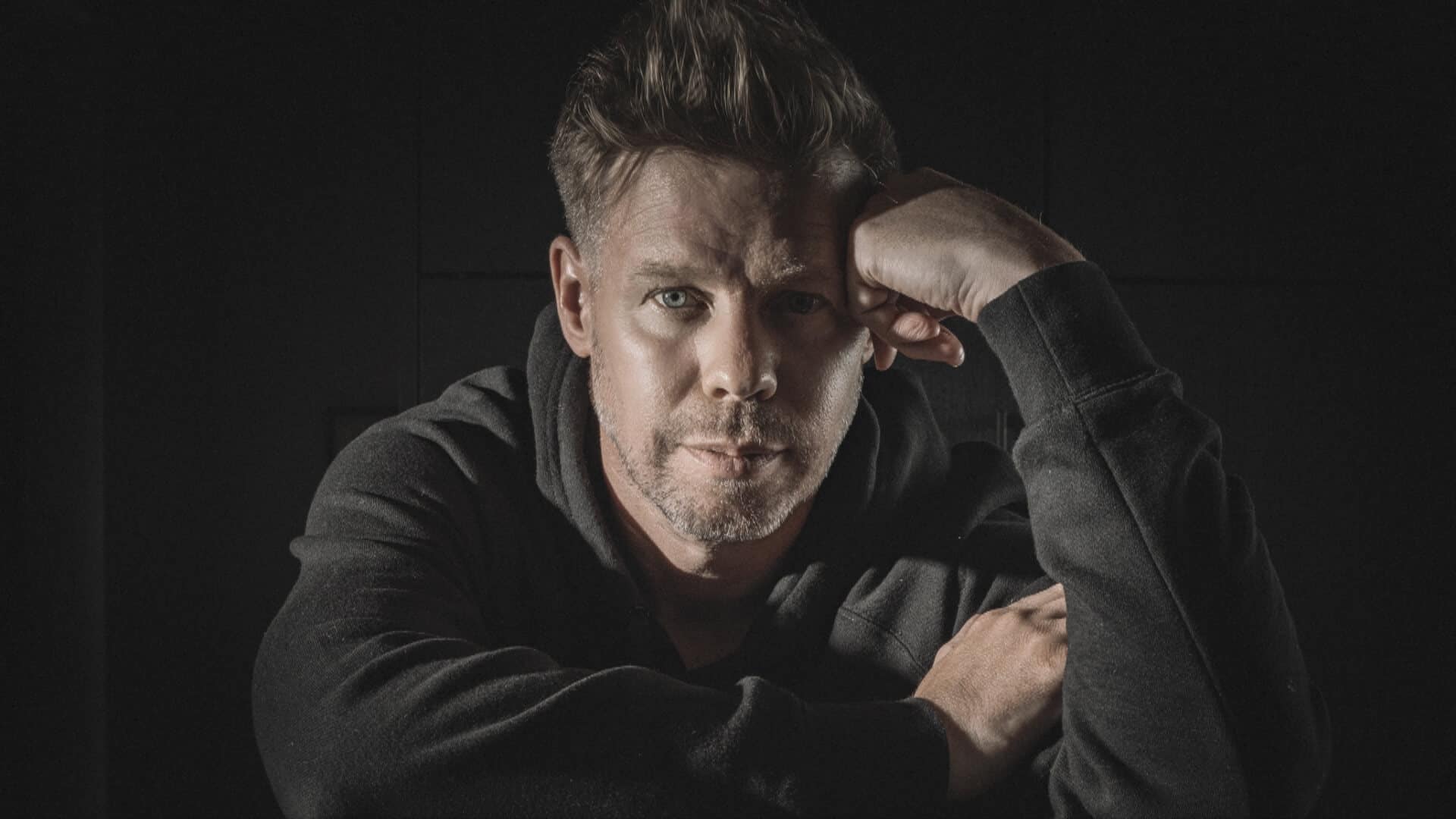
South African Producer Kyle Watson has spent years carving his own path within House Music, building an international career outside of the traditional electronic music centres, from performing at festivals like Ultra South Africa and Coachella to developing a distinctive body of studio work. With a new collaboration alongside Body Ocean and a second album in progress, we spoke to him about momentum, production, social media pressure, streaming, festivals and the growing impact of AI on artists.

Attack: You’ve been steadily building your presence in electronic music for years now. Looking back, what do you feel has defined your journey so far?

Kyle Watson: I think a journey of ebbs and flows, always characterised by a return to the sound that feels true to me. Growth too – building from South Africa was tough because artists making this sound just weren’t really gaining traction in big markets overseas.

At what point did things start to feel like they were really moving – was there a specific release, moment, or shift in mindset?

There have been a few times where it’s felt like there was a step up in momentum, but early on I’d say when I started doing tours in Brazil. I went from playing shows in my home country to stages in front of 12,000 people. Then I started getting messages from people in the US, and I realised things were picking up.

With so much accomplished, what are you trying to achieve next?

Thank you, but honestly, I haven’t accomplished what I wanted to yet – and that’s what keeps driving me. Looking back, I’ve managed to do what so many others struggle with, and that’s making a career out of music. But there are still stages I want to play, music I want to write, and syncs I want to land.

Your sound sits somewhere between deep house, tech house and techno. Where do you feel the line sits between them, and what defines your sound within that space?

I’ve never tried to fit entirely into one of those boxes, and I like to think that’s why I’ve been able to do this for as long as I have. Over the years I’ve tapped into all those genres, so if I had to distil it, I’d say my sound is a chunky, dark version of house that borrows from each of them.

One of our favourite sounds in your productions is the detuned synth at 50 seconds in “Double Dutch”. Can you spill the beans on how you made it?

I went through how I made this exact sound on my Patreon a few months back. It was made in Massive X. It’s basically a chord made up of unison voices all slightly detuned to give it the analogue feel, with a rising pitch envelope.

[quote align=right text=”I haven’t accomplished what I wanted to yet – and that’s what keeps driving me.”]

How did you first learn to produce and DJ – and if you were starting again today, what would you do differently or focus on first?

I taught myself both, with some help from my father on the production side because he came from that world. It’s way easier to start today because everything you need is available online. I’d say start with the basics of music theory and at the same time learn how to use a DAW. Then buy an online sample subscription for access to any sample you’d ever need and start writing.

There’s a noticeable level of control and precision in your arrangements. How do you know when a track is actually finished?

Pro tip: you don’t! Seriously, a track is never finished but there’s a moment where you realise any more messing around is just going to overcook it, so you have to stop. I find the best way for me to know for sure is to play it out, and if it gets the reaction I want, I know that’s all it needs.

Streaming has increased exposure but reduced income for many artists. Has it changed how you approach releases, or is it just something you’ve had to accept?

Definitely, the release rate needs to be high now to maintain momentum. The lifespan of records is so much shorter – a track drops on Friday and by the next New Music Friday it’s old news already. In my opinion, it’s devalued music a lot, but unfortunately, it’s the new normal. I think there’s more value than ever in connecting directly with your fans because the amount of noise out there is overwhelming.

Clubs are still struggling in many cities, while festivals continue to scale. Do you think the ecosystem is becoming unbalanced – and what does that mean for emerging artists?

It makes it way harder for artists coming up to grow through from small clubs to medium, large etc. That traditional route is tougher now with fewer options – now it feels like the only things breaking new artists are viral video moments. Festivals are expensive, so people skip nights out to pay for a festival ticket. Not to mention festivals rotating the same headliners every year – it does feel unbalanced and I often wonder what it takes to rebalance the scales, or if this is the way it will always be.

There’s constant pressure to stay visible on social media alongside making music. How do you navigate that, and do you think it’s distorting what success looks like?

It’s draining! Obviously, some people find it much easier, and people at the top have big teams handling it for them, so it takes the pressure off, but there wasn’t the same focus on it when I started as there is now, so it’s a tough thing for me to adjust to.

I find myself spending way too much time worrying about things like reach, algorithms, engagement, and comparing myself to others’ performance, which takes away from what really got me into this in the first place. And for sure it can distort the view of success – it’s very easy to fake stuff online.

Your latest release, “Are You The Same,” is a collaboration with Body Ocean. How do you go about collaborations, and what did both parties add to the final version?

I’m writing my second album right now, and Body Ocean were one of the first artists I reached out to since I’ve always been a huge fan of his production. This collab started with a session a while back that I wasn’t involved in. I hit Jeremy up, and he sent me some of the sketches he had lying around, and “Are You The Same” immediately caught my attention.

He sent the stems; I rewrote and replaced a bunch of the elements and built up the second drop into something more euphoric. It was already a very strong idea when he sent it to me, but I think the final version is a pretty even split of each of our sonic characters.

I’m afraid we have to ask about AI. On the back of The Atlantic’s AI checker, artists’ music is being used to train AI tech firms. This feels inherently wrong – what should the industry do to challenge this?

Oh man, I really don’t like this. I’ve checked, and about 150 of my songs are on there. I honestly don’t know how you go up against something as big as this, because the scale of what’s happening in AI is so large that it feels like a David vs Goliath situation.

In truth, I think elements of AI can help in some aspects of production, but full songs by prompts trained on others’ art is a line we should not be crossing.

Kyle Watson x Body Ocean “Are You The Same” is out July 10th. Listen on Spotify.

Find Kyle Watson on Instagram.

[social-links heading=”Follow Attack Magazine” facebook=”https://www.facebook.com/attackmag” twitter=”https://twitter.com/attackmag1″ instagram=”https://www.instagram.com/attackmag/” youtube=”https://www.youtube.com/user/attackmag” soundcloud=”https://soundcloud.com/attackmag” tiktok=”https://www.tiktok.com/@attackmagazine”] [product-collection]